Gateway Of India

Description
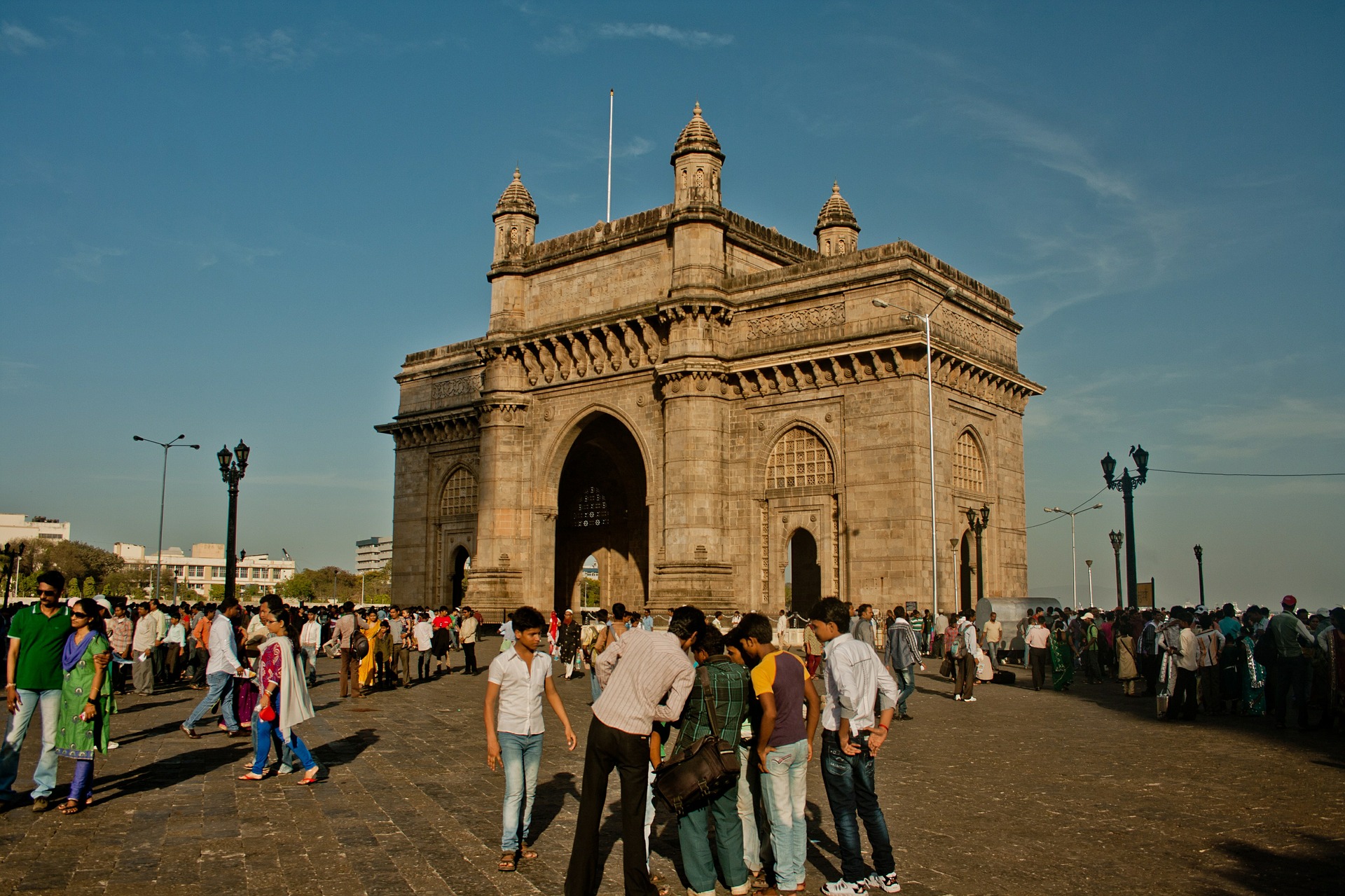
The Gateway of India is synonymous with Mumbai. It is the most famous monument of Mumbai and is the starting point for most tourists who want to explore the city. Gateway of India is a great historical monument built during the British rule in the country. It was built as a triumphal arch to commemorate the visit of King George V and Queen Mary to Mumbai (then, Bombay). Gateway of India was built at Apollo Bunder, a popular meeting place. It was designed by the British architect, George Wittet.
The foundation stone of the Gateway of India was laid down by the then Governor of Bombay (Mumbai) on March 31st 1913. The archway is 26 meters high and joined with four turrets and intricate latticework carved on stones. The arch alone was built at the cost of 21 lakhs. It is built in Indo-Sarcenic style, though some influence of Gujarati style is also evident in its architecture. The structure itself is quite majestic and a hybrid of the Arc de Triomphe in Paris.
In the past Gateway of India used to be the arrival point for visitors from the west. Ironically, when the Raj ended in 1947, this colonial symbol also became a sort of epitaph: the last of the British ships that set sail for England left from the Gateway. Today this symbol of colonialism has got Indianised, drawing droves of local tourists and citizens. This landmark of Mumbai is a must visit of the city. people enjoy fresh air and moving around and love view around.
The Gateway faces the vast Arabian Sea, flanked by Mumbai's another attraction, Marine Drive, a road running parallel to the sea. The majestic monument is a must-visit at night, in its pristine glory against the backdrop of the sea. It is visited by millions of people across the world every year and is a very significant figure in the lives of the people of Mumbai, as the Gateway defines the grandeur of the city that is a culmination of both, historic and modern cultural environment.
The main objective behind the construction of the Gateway of India was to commemorate the visit of King George V and Queen Mary to Bombay (Mumbai). In March 1911, Sir George Sydenham Clarke, who was then the Governor of Bombay, laid down the monument's first foundation. Although, this plan was approved only in 1914, the reclamations at Apollo Bunder were completed only in 1919. The architectural design of Gateway of India was fashioned by architect, George Wittet. It took 4 years to complete this monument's construction.
More Details
One of the most distinguishing landmarks that signify the city, the Gateway of India came into
existence in the year 1924 during the British Raj to celebrate the arrival of King George V and
Queen Mary to Bombay. The structure marks the area as one of India’s major ports which formally
symbolised elements of British grandeur. Located in the waterfront area of Apollo Bunder, today it
is one of the most popular tourist places in Mumbai for people from all over the globe who flock
just for a glance at this monument.
The Gateway of India is a landmark that denotes India's main ports and is a noteworthy vacation
destination for guests who touch base in India surprisingly. At a certain point in time, this
landmark spoke to the greatness of the British Raj in India. A most loved spot for visitors, these
days, and this landmark pulls in vendors, food stalls and also the photography buffs. The passing of
the First Battalion of the Somerset Light Infantry; was recorded as the primary headliner that
occurred at the Gateway of India.
The design plan of the Gateway of India is constituted of a vast curve, with tallness of 26m. The
landmark is worked in yellow basalt and insoluble cement. The basic arrangement of Gateway of India
is outlined in the Indo-Saracenic style.
Highlights: One can also discover hints of Muslim building styles joined in the structure of the pretentious building. The focal arch of the landmark is around 48 feet in the distance across, with an aggregate stature of 83 feet. Planned with multifaceted latticework, the 4 turrets are the noticeable components of the whole structure of the Gateway of India. There are steps developed behind the curve of the Gateway that prompts the Arabian Sea. The landmark is organized such that one can witness the vast breadth of the blue blanket right ahead, welcoming and sending off ships and visitors.
Distance from Mumbai Airport: 25km.
Entrance fee: The entry is free of cost.
Timing: 7:00 AM to 5:30 PM on all days of the
week.
Location: Gateway of India is located at Apollo Bandar,
Colaba, Mumbai, Maharashtra 400001.
.jpg)