Indian Museum
Description
The Indian Museum was established in the Asiatic Society Building in the year 1814 by Dr Nathaniel Wallich, a famous botanist from Denmark.The Asiatic Society of Bengal was established in the year 1784 by Sir William Jones. In the year 1840, the Government expanded the geology and minerals section and an additional grant of INR 250 per month was provided for the geology section alone.
It was in the year 1875 that the museum was shifted to the present building. However, the museum was open to the public in the year 1878 housing over sixty galleries. The year 1879 saw the Indian Museum receiving a collection from the Indian Museum (South Kensington). One of the biggest contributions of the Museum was perhaps when the Zoological and Anthropological sections of the museum gave rise to the Zoological Survey of India in 1916, which in turn gave rise to the Anthropological Survey of India in 1945.
In addition to being the safehouse for many priceless relics, the Indian Museum has also served various other roles and services. The Government College of Art and Craft founded in the year 1854 operated from the southern wing of the museum, which moved to the premises in the year 1892.
Archaeology Section: Archaeology section includes Pre and Proto-Historic Gallery, Main
Entrance Gallery, Bharhut Gallery, Gandhara Gallery, Long Archaeology Gallery, Bronze Gallery, Coin
Gallery, Minor Art Gallery and Egyptian Gallery.
Art Section: This includes Mughal Painting Gallery, Bengal Painting Gallery, Decorative Art and
Textile Gallery South East Asian Gallery.
Anthropology Section: Palaeo-Anthropology Gallery, Cultural Anthropology Gallery, Mask Gallery and
Musical Instrument Gallery are included under Anthropology Section.
Zoology Section: Zoology Section includes Fish Gallery, Amphibia and Reptilia Gallery, Bird Gallery,
Mammal Gallery and Ecology Gallery.
Geology Section: Siwalik Gallery, Invertebrate Fossil Gallery, Rock & Mineral Galler Earth and
Meteorite Gallery with Gem Section are included under Geology Section.
Botany Section: The Botany Section of the Indian Museum has exhaustible resources on Indian timbers,
Food products, Medicinal produces, Vegetable fibres, Oil and oilseeds and various crops commonly
grown in India.
More Details
The ninth oldest museum of the world and largest in India, the Indian Museum is located in the city
of joy - Kolkata. The foundation stone of the Indian Museum was laid down in the year 1814 and has
been a centre of multidisciplinary activities ever since. Popularly known as 'Jadughar', it has the
finest collection of contemporary paintings, sacred relics of Buddha, Egyptian mummies and ancient
sculptures. In addition to these, the Indian Museum boasts of some of the most exquisite collections
of ornaments, fossils, skeletons, antiques, armours, and stunning Mughal paintings.
Presently, the museum has 35 galleries which have been divided into six categories namely Art,
Archaeology, Anthropology, Geology, Zoology and Economic Botany. For those inquisitive about
history, there is also a library and bookshop present within the museum premises. Indian Museum
recently celebrated its bicentennial anniversary with great fervour in February 2014. With its
splendid collection, the museum takes you back in time to witness our fascinating past.
The collection of exhibits that is housed in the Indian Museum is one of a kind. Some of the main
collectables on display here include an Egyptian mummy all of which's organs have been extracted
except its heart, a Buddhist stupa from Bharhut, Gautam Buddha's ashes, the Ashoka Pillar which
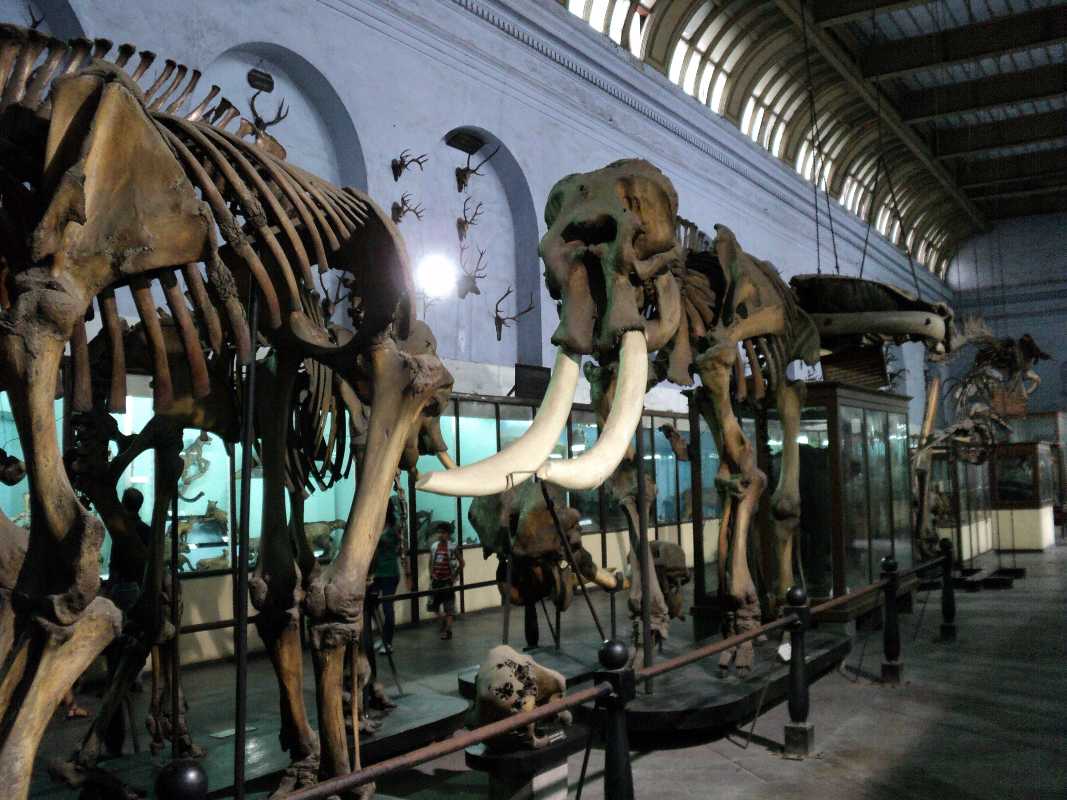
bears the four - lion symbol that went on to become emblem of India, fossilized skeletons of
prehistoric animals, an elaborate art collection, precious artefacts, and a fascinating collection
of meteorites.
Highlights: The best way to reach the museum is through metro
train or taxi. Park Street is the nearest metro station from where one can take a bus or a taxi.The
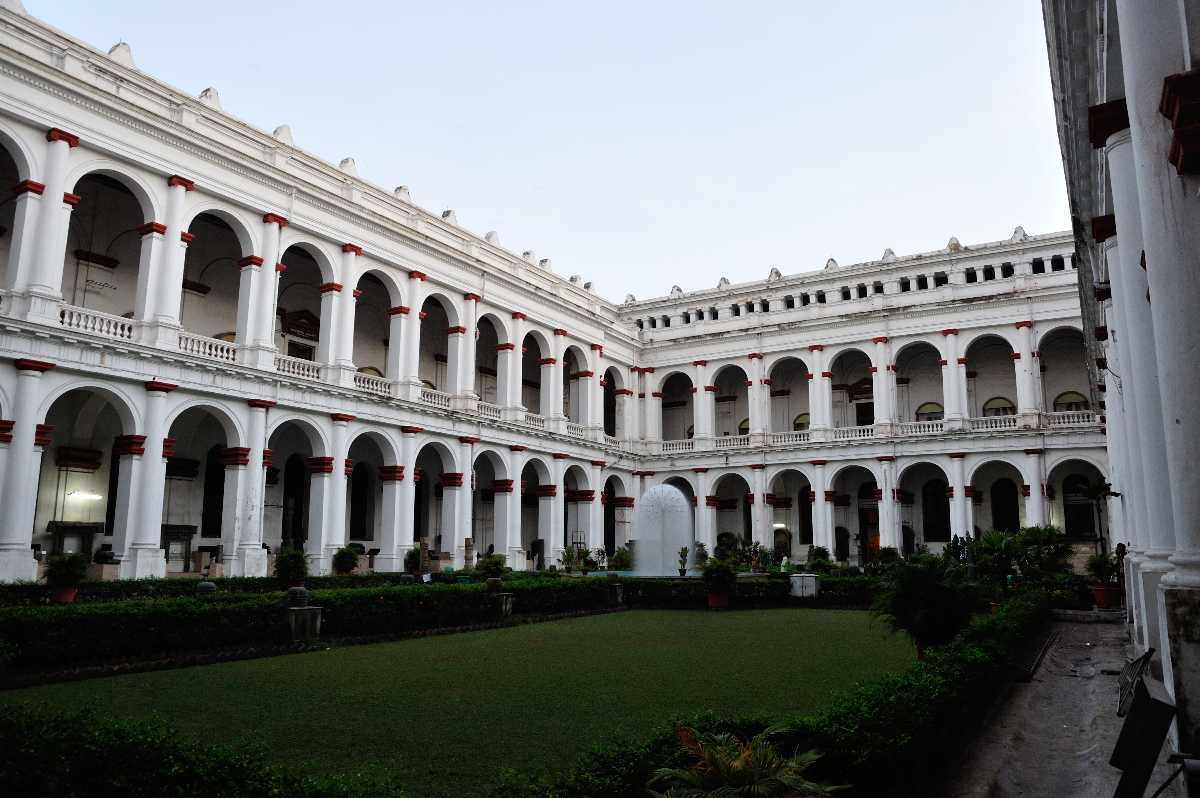
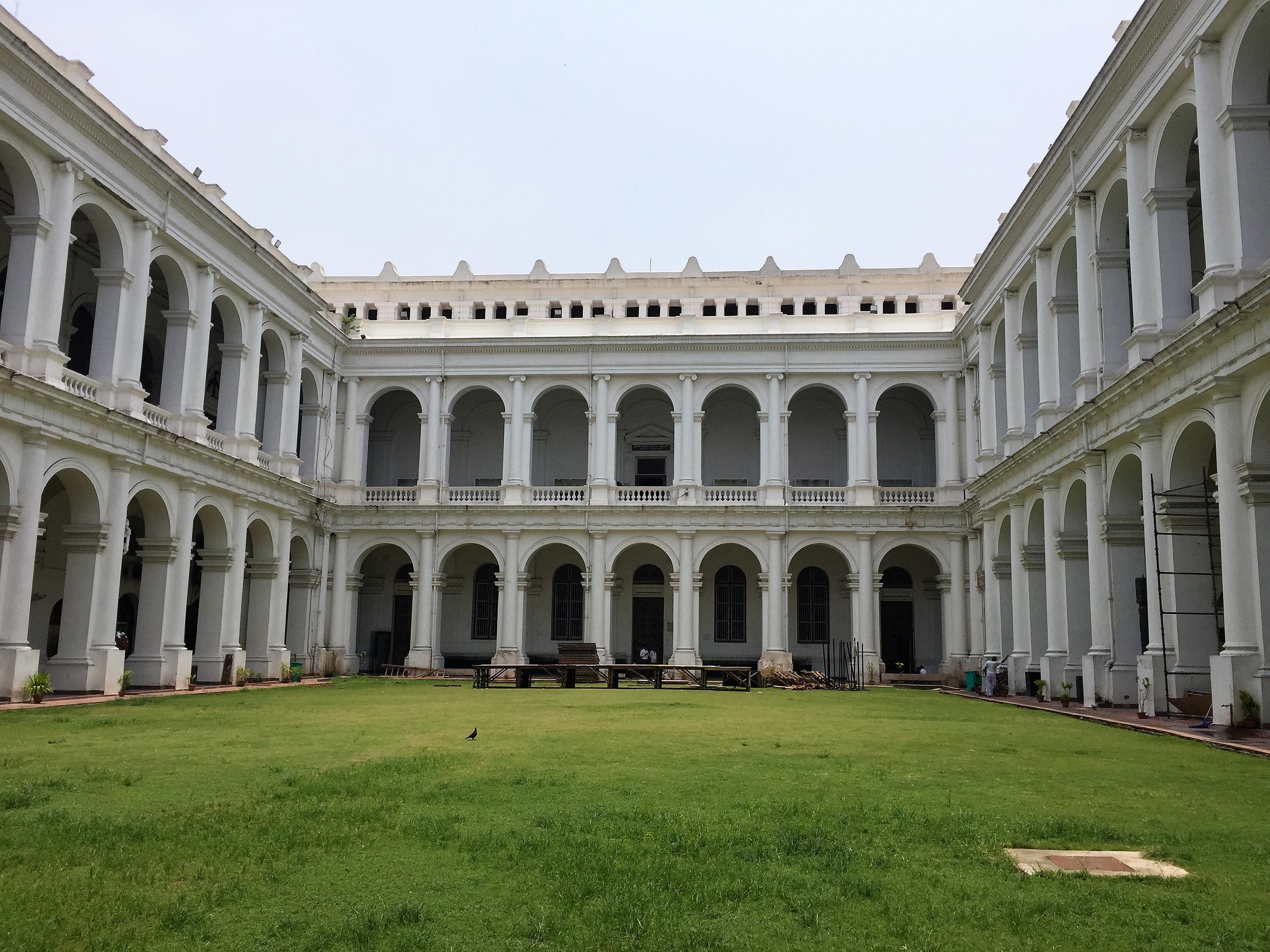
structure of Indian Museum is an architectural grandeur designed by the famous architect Walter B
Grawille in Italian Style. The building comprises of three floors, each spanning across an area of
about 930 sq meters. There are total sixty galleries divided into six main sections namely:
Anthropology, Art, Archaeology, Zoology, Botany and Geology.
Distance from Kolkata Airport: 18 km.
Entrance fee: Adult (Indian): INR 20,
Adult (Foreigner): INR 500,
Baby in arms: Free.
Timing: All days of the week except Monday.
10:00 AM - 5:00 PM (March to November),
10:00 AM - 4:30 PM (December to February).
Location: Indian Museum, Jawaharlal Nehru Road,
Taltala, Kolkata, West Bengal.