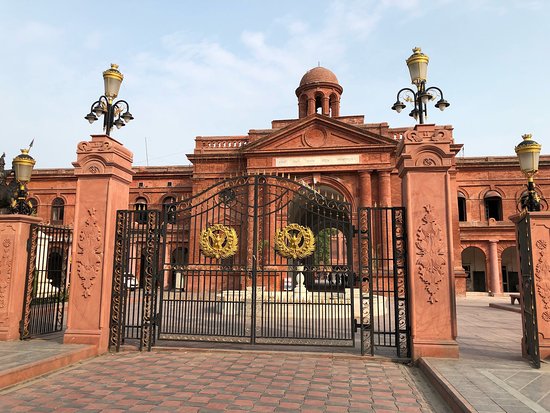
Partition museum
Description
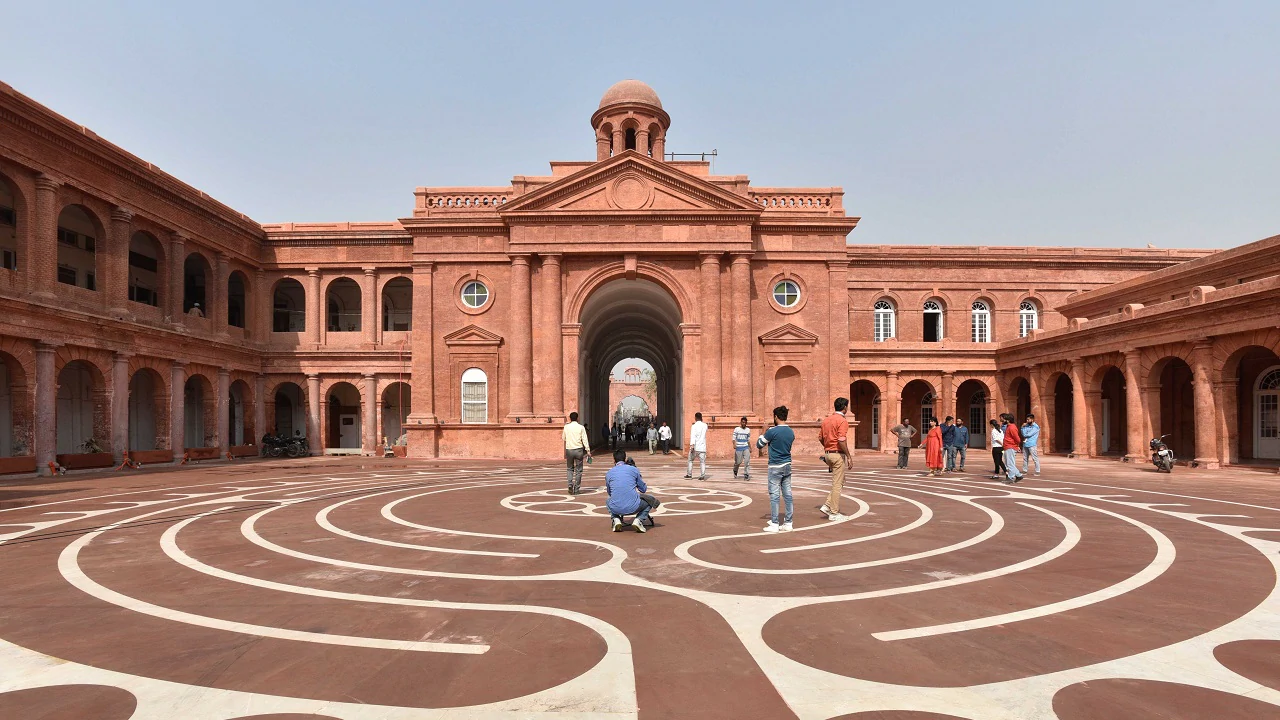
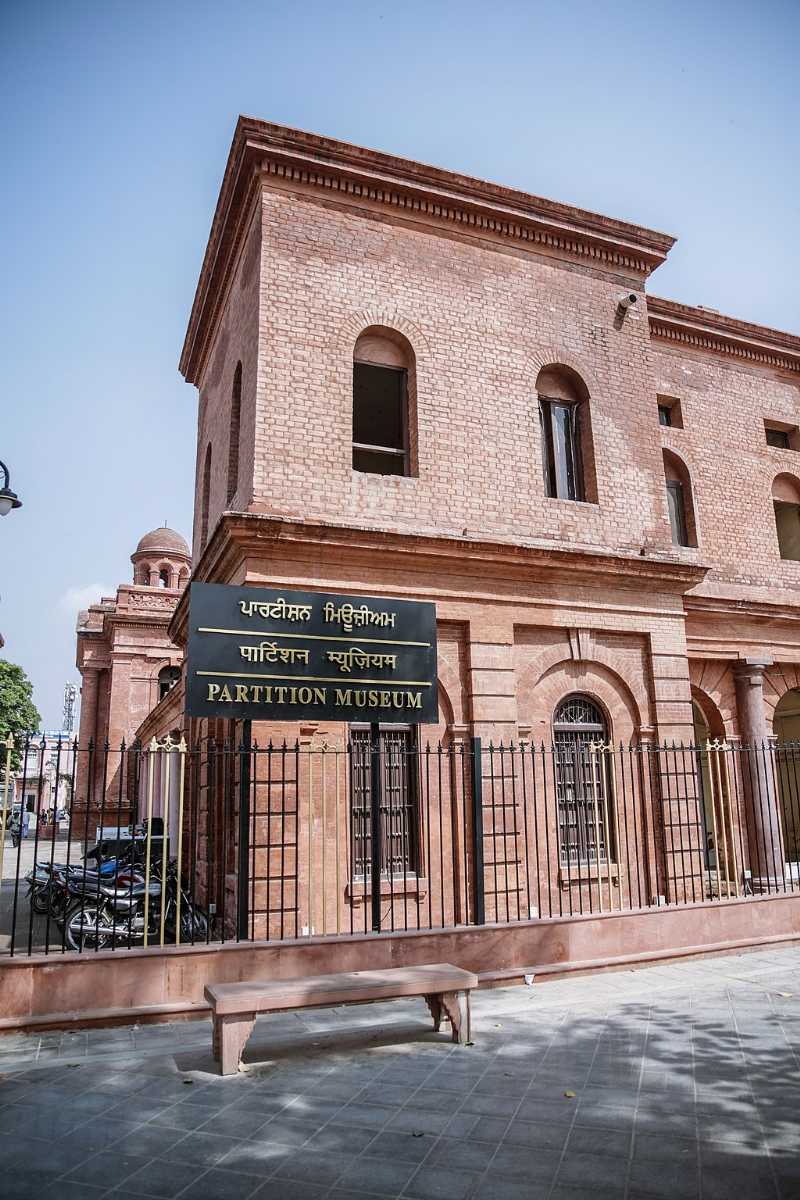
The Partition Museum is the first-ever museum in the entire world to focus on the stories and trauma of the millions who had to suffer the consequences of a ruthless partition that affected this entire subcontinent. Located at Town Hall in Amritsar, developed by the Arts and Cultural Heritage Trust (TAACHT), the museum is a part of the newly inaugurated Heritage Street at Amritsar, which begins from the Golden Temple and ends at the Town Hall.
The collections at the Partition Museum include newspaper clippings, photographs as well as personal items that were donated by people who had witnessed and lived during the Partition. TAACHT aims to establish the Partition Museum as a world-class physical museum dedicated to the memories of the partition of the sub-continent in 1947. The museum is devoted primarily to the victims & survivors, and their lasting legacy. Undoubtedly one of the most brutal events in the history of the Indian sub-continent, it witnessed the disorganised displacement of twelve million people to a new land, causing the painful demise of over two million people.
This aching and moving incident left behind many memories, being excruciatingly painful and valuable at the same time. There has always been silence about the Partition, which is what made the development of such a museum extremely necessary. The Partition Museum has been visited by thousands of visitors ever since its inauguration. The list of visitors includes members from either end of the spectrum, comprising of local families who were affected by the Partition, school children and tourists - domestic & international - who visit Amritsar to witness the Golden Temple or otherwise.
More Details
Spread across 43 acre, this beautiful fort dates back 300 years. Long ago, the world-famous Kohinoor diamond used to be kept inside this fort. The fort was originally built as a mud fortress called Bhagian da Qila by a local chieftain, Gujar Singh Bhangi. The chieftain belonged to a clan called Misls, who ruled the area at that time. The fort was under him for almost 49 years after which Amritsar was ruled by Gurdit S Bhangi, a descendant of Gujjar Singh. Legend has it that a trader, Arur Mal, was asked by the royal family to pay tribute to the Bhangi township. Refusing to do so, he went to a rival town and conspired with Shaikh Kamaluddin and Maharaja Ranjit Singh to invade the fort. Ranjit Singh attacked the city through the Ahluwalia gate and took over the fort.
Since the fort holds great historical prominence, the Government of Punjab has declared it as a historical monument.
Moreover, there are several other constructions within the fort, including Toshakhana and Khas Mahal, along with bastions, moats, wells and havelis built during the reign of Maharaja Ranjit Singh, the leader of the Sikh empire. There are several remnants of the British rule as well, including the Durbar Hall and the Anglo Sikh Bungalow. One will also find a bell, which was made in Sheffield, the UK.
Distance from Amritsar Airport: The distance between Amritsar Airport and Partition Museum is 12 km.
Entrance fee: Indians: INR 10
Foreigners: INR 250
Timing: 10:00 AM - 6:00 PM (Closed on Monday)
Location: Town Hall, Amritsar 5 minute walk from Golden Temple, Amritsar 143001 India