Patna
Description
Patna once called Pataliputra the capital of Bihar,is among the world's oldest capital cities with unbroken history of many centuries as imperial metropolis. A very fertile arched stretch of land along the bank of the Ganga. The history and heritage of modern day Patna go back well over two millennia. Like Delhi, Patna too had been the regal seat of governance for successive kingdoms since ancient times. And to this day, it is the capital city of the state. As each ruler ascended in power and established dynastic glory, he gave his capital a new name. Thus, the ancient Kusumpura metamorphosed through Pushpapura, Pataliputra, Azeemabad and now into Patna, a continuous history ranging from 6th century BC to present times - a record claimed by few cities in the world.
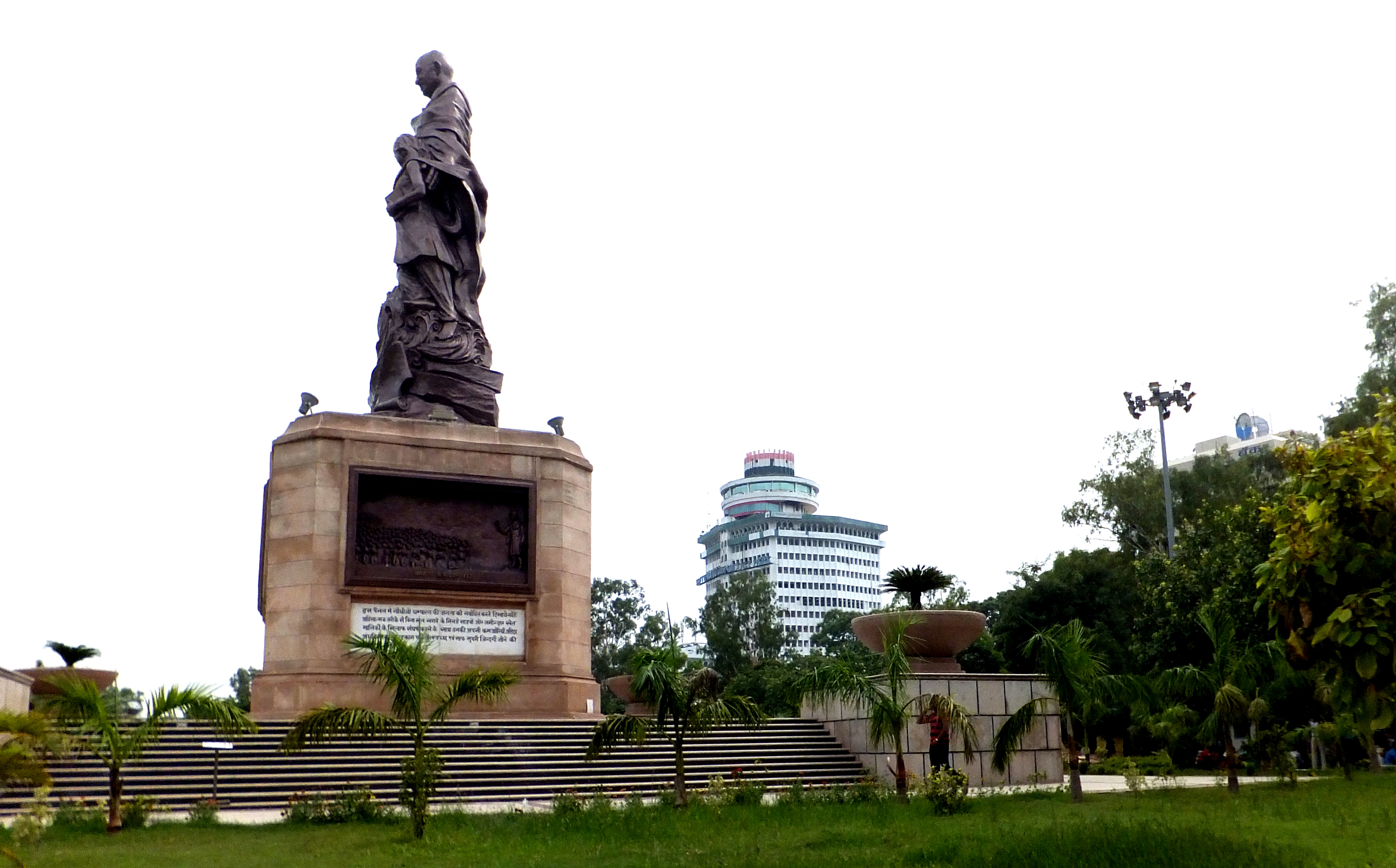
It was Ajatshatru the Magadha king who first built a small fort in Pataligram on the bank of the Ganga in 6th century BC, which later blossomed into the ancient glory still to be seen in the neighboring archaeological sites at Kumrahar. Bhiknapahari, Agamkuan, Bulandi Bagh and Kankar Bagh. Pataliputra dominated the political fortunes of the whole of north India between 6th century BC and 5th century AD, a fact established by archaeological excavations. After a temporary eclipse, in 16th century, Sher Shah Suri returned the city to its former glory and established the present Patna. After the decline of the Mughals, the British too found Patna a convenient regional capital and built a modern extension to this ancient city and called it Bankipore. It was in Gandhi Maidan in this area, that Mahatma Gandhi held his prayer meetings
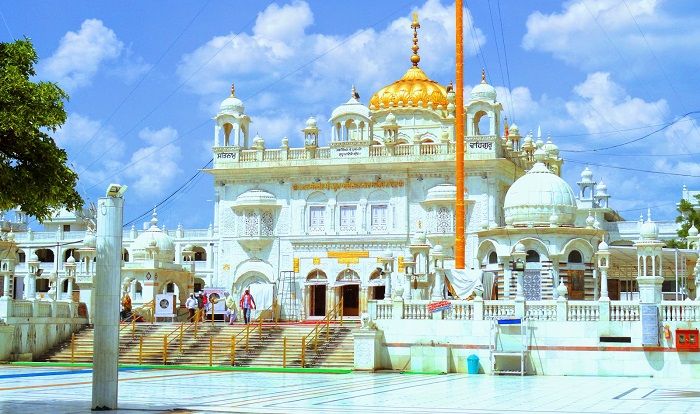
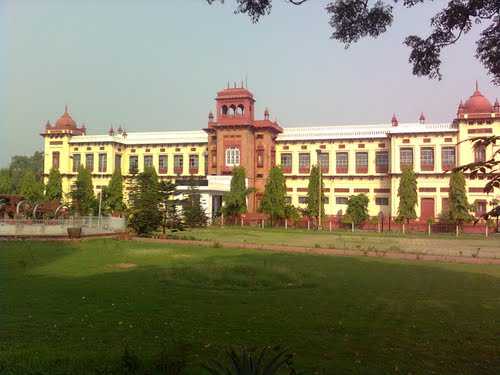
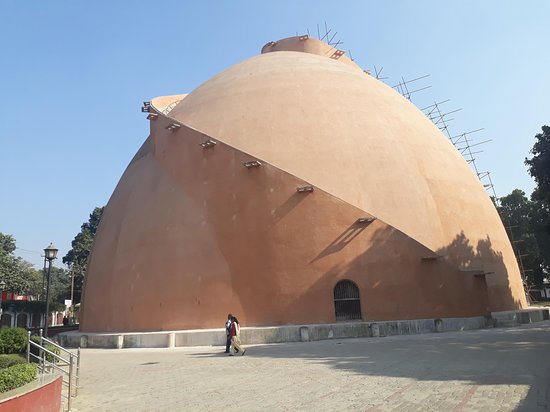
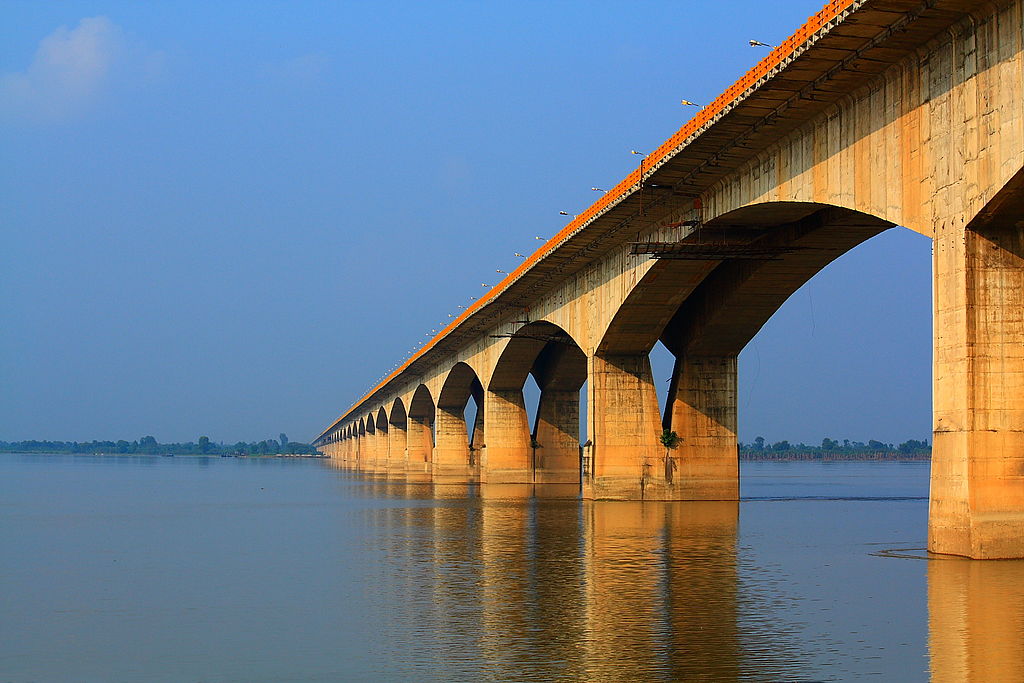
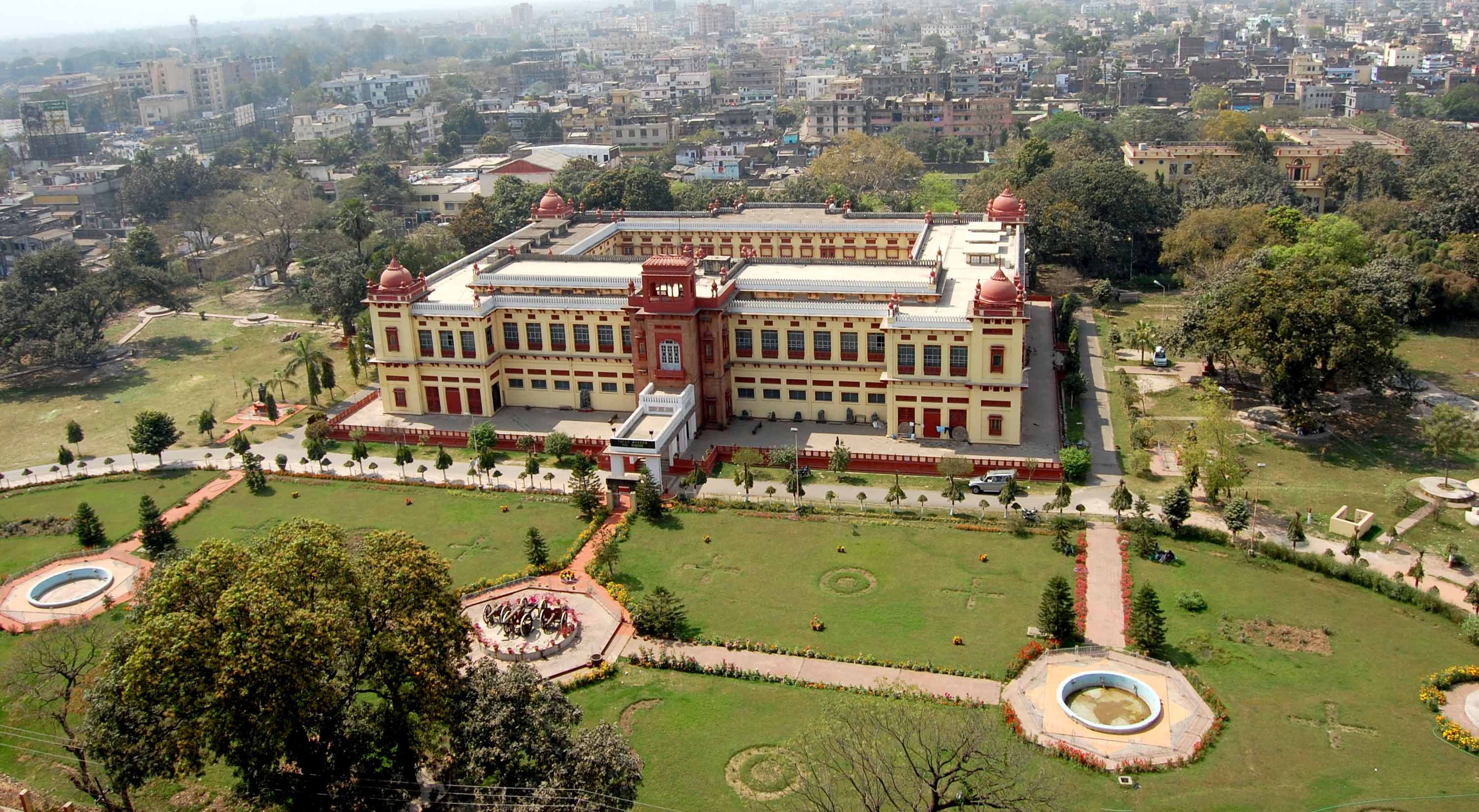
Patna is a riverside city that extends along the south bank of the Ganges (Ganga) River for about 12 miles (19 km). West of the old city lies the section called Bankipur, and farther southwest is a spacious new capital area with wide roads, shady avenues, and new buildings. Prominent among Patna’s modern structures are the Government House, the Assembly Chambers, the Oriental Library, a medical college, and an engineering college. Patna’s historic monuments include the mosque of Ḥusayn Shah of Bengal (1499); the Sikh Temple associated with the 10th Guru, Gobind Singh; and the granary at Bankipur (1786), popularly called the Golghar. The city also has the University of Patna (1917) and the Patna Museum. The city is connected by road to Hajipur, just north of the Ganges, via the Mahatma Gandhi Bridge across the river.
The ancient city of Pataliputra was founded in the 5th century BCE by Ajatashatru, king of Magadha (South Bihar). His son Udaya (Udayin) made it the capital of Magadha, which it remained until the 1st century BCE. The second Magadha dynasty, the Maurya, ruled in the 3rd and early 2nd centuries BCE until the city was sacked in 185 by Indo-Greeks. The Shunga dynasty then began, ruling until about 73 BCE. Pataliputra remained a centre of learning and in the 4th century CE became the capital of the Gupta dynasty. It declined and was deserted by the 7th century. The city was refounded as Patna by an Afghan ruler in 1541 and again rose to prosperity under the Mughal Empire. It passed to the British in 1765.
Places To Visit In Patna